
Simple Ways to Reduce Food Waste at Home
Reducing food waste at home is a simple yet impactful way to save money and contribute to a healthier planet. Every year, millions of tons of food are thrown away unnecessarily, which not only wastes resources but also adds to landfill waste. Fortunately, with some thoughtful planning and habits, you can minimize waste without much extra effort. In this post, we’ll explore practical and effective ways to reduce food waste right in your own kitchen.
Why Reducing Food Waste Matters
Before diving into the tips, it’s helpful to understand why food waste reduction is important. Wasted food means wasted water, energy, labor, and money spent to grow, transport, and store it. Additionally, discarded food in landfills produces methane, a potent greenhouse gas contributing to climate change. By cutting down food waste, you conserve resources and reduce your environmental footprint.
Plan Your Meals and Shopping
One of the most effective strategies to reduce food waste starts before you even bring groceries home.
Make a Grocery List
– Check your pantry and fridge before shopping to avoid buying duplicates.
– Write down ingredients you need for planned meals.
– Stick to your list to prevent impulse purchases that may spoil.
Shop Smart
– Avoid bulk buying perishable items unless you can store or use them quickly.
– Choose loose fruits and vegetables to buy only what you need.
– Look for “imperfect” produce; it’s often cheaper and just as nutritious.
Plan Your Meals
– Plan meals for the week to use ingredients efficiently.
– Incorporate leftovers into new recipes or lunches.
– Use seasonal produce to ensure freshness and reduce waste.
Store Food Properly
Proper storage can extend the life of your food and keep it fresh longer.
Optimize Your Fridge and Pantry
– Keep your refrigerator at or below 40°F (4°C) to slow spoilage.
– Store fruits and vegetables separately when required (e.g., apples emit ethylene gas that can ripen other produce too quickly).
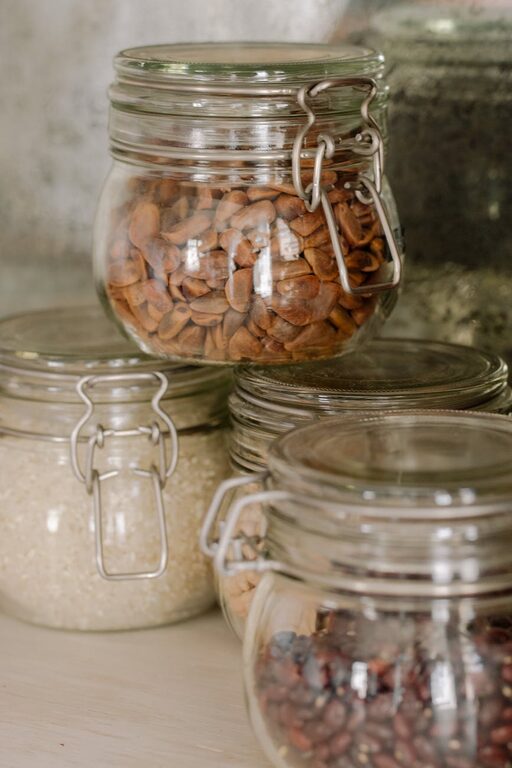
– Use airtight containers and resealable bags to preserve freshness.
Understand Food Labels
– “Best before” and “Use by” dates are not always indicators of food safety; many foods remain fine after these dates.
– Use your senses—look, smell, and taste before deciding to toss food.
Freeze Leftovers and Surplus
– Freeze cooked meals and ingredients before they spoil.
– Label containers with dates to use older items first.
– Freeze bread, fruits, and even some dairy to extend shelf life.
Use Leftovers Creatively
Instead of discarding leftovers, transform them into tasty new meals.
Recipes for Leftovers
– Make soups, stews, or casseroles from leftover vegetables and meats.
– Use day-old bread for croutons, bread pudding, or breadcrumbs.
– Blend wilting fruits into smoothies or bake them into muffins.
Portion Control
– Serve smaller portions to avoid uneaten food on plates.
– Allow family members to take seconds if still hungry.
– Save uneaten food immediately in the fridge for later.
Compost Food Scraps
Not all food waste can be avoided, but organic scraps can be composted instead of dumped in the trash.
Start a Compost Bin
– Collect vegetable peels, coffee grounds, eggshells, and other compostable scraps.
– Avoid meat and dairy in compost bins to reduce odors and pests.
– Use finished compost in your garden to enrich soil.
Benefits of Composting
– Reduces landfill waste and methane emissions.
– Provides natural fertilizer for plants.
– Encourages environmentally friendly habits.
Educate and Involve the Whole Family
Making food waste reduction a shared household goal helps create lasting habits.
Involve Everyone
– Teach children about portion sizes and food value.
– Encourage family members to taste food before discarding.
– Share recipes that make good use of leftovers.
Track Your Progress
– Keep a food waste journal to identify patterns.
– Celebrate improvements to stay motivated.
Additional Tips for Reducing Food Waste
– Use smaller plates to reduce serving sizes.
– Keep a “use first” container in your fridge for items nearing expiration.
– Avoid over-prepping food that may go uneaten.
– Donate unopened, non-perishable food to local food banks if safe.
—
Reducing food waste at home doesn’t require a complete lifestyle overhaul. With a few simple habits, you can save money, enjoy your food more, and contribute positively to the environment. Start small, and over time, these practices will become second nature. Every meal you save counts!
Happy cooking and waste reduction!
